
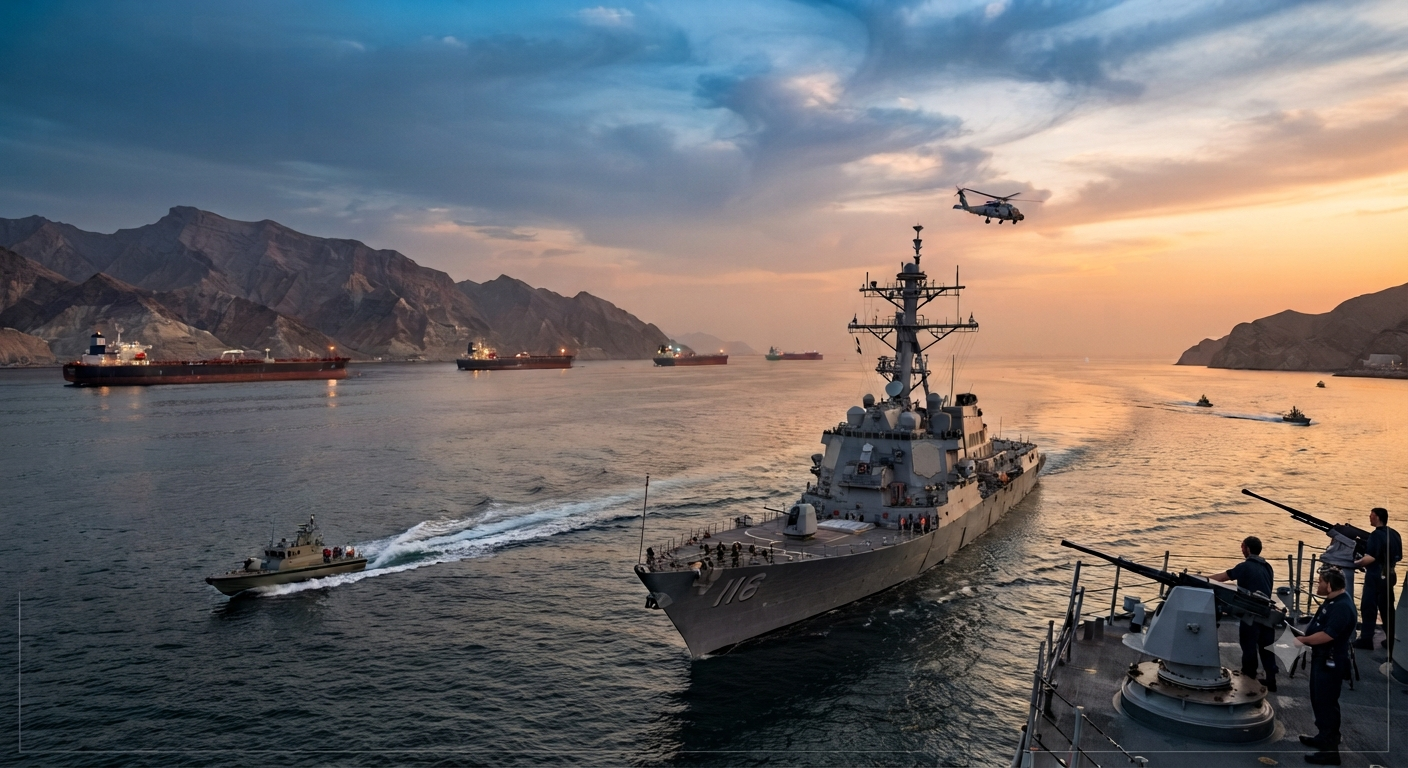
In the complex theater of the 2026 U.S.-Iran conflict, the Strait of Hormuz has evolved from a theoretical chokepoint into the central axis of global economic anxiety. For Tehran, the ability to disrupt the transit of approximately 21% of the world’s oil supply has long been viewed as its ultimate strategic deterrent. However, as of July 2026, analysts and military officials observe that this “greatest weapon” is undergoing a profound erosion, transforming from a source of leverage into a strategic liability.
The Psychological Barrier and the New Equilibrium
Before the current conflict, the prospect of Iran closing the Strait of Hormuz was a staple of wargames and academic simulations. Since February 2026, this theoretical threat has been tested in practice, breaking a “psychological barrier” that will never be rebuilt. While the Iranian regime views this capability as its most potent lever to force U.S. concessions, the reality is that the blockade has inflicted severe, self-inflicted economic pain.
The conflict has forced a shift in the Persian Gulf’s security equation. Iran’s focus on the strait is now a defining feature of its military reconstitution, often taking precedence over rebuilding conventional naval or nuclear infrastructure. Yet, this singular focus provides the United States with a clear, albeit difficult, target for containment.
The Failure of Diplomacy and the Rebound of Conflict
The tenuous June 2026 Memorandum of Understanding (MoU), which was intended to de-escalate hostilities and resume merchant shipping, has largely unraveled. Although the MoU included provisions for Iran to clear “technical obstacles” and mines from the strait within 30 days, the subsequent reality has been characterized by intermittent harassment and renewed combat.
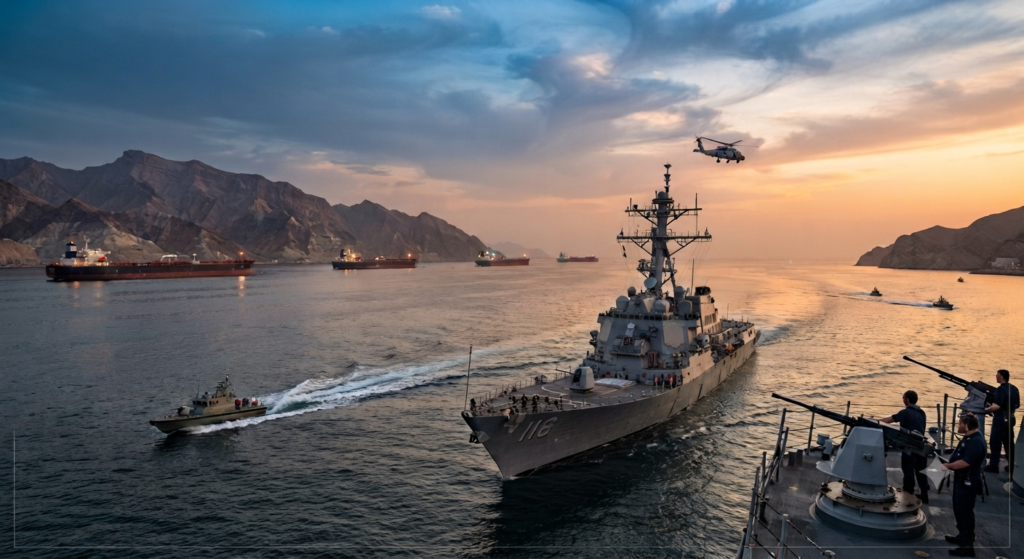
Following the collapse of the tentative ceasefire, U.S. Central Command (CENTCOM) launched significant military operations on July 7 and 8, 2026, targeting over 170 Iranian military sites. These strikes specifically aimed to “further degrade” Iran’s ability to monitor, strike, or threaten commercial mariners in the waterway. By targeting coastal surveillance assets, air defense systems, and missile storage sites, the U.S. is systematically stripping away the infrastructure Iran requires to maintain its blockade.
The Strategic Erosion: Why the Weapon is Slipping
Experts suggest several reasons why Iran’s control over the strait is losing its effectiveness as a geopolitical weapon:
- The Cost of “Toll” Enforcement: Tehran’s attempts to institutionalize transit “fees” or “tolls” for ships have been rejected by the international community. This has not only failed to generate significant revenue compared to Iran’s lost oil income but has also solidified global opposition to Iranian maritime claims.
- The “Blockade of the Blockaders”: The U.S. has adopted a strategy of “blocking the blockaders,” which includes interdicting traffic to Iranian ports and striking coastal infrastructure. This approach has collapsed Iranian oil exports by over 90% in some periods, turning their primary leverage into an economic catastrophe for the regime.
- International Rerouting and Diversification: Global shipping lines, such as Maersk, have demonstrated an ability to adapt to regional instability by rerouting vessels. Furthermore, the continued insecurity has accelerated international efforts to build pipelines that bypass the strait entirely, permanently reducing the strategic importance of the waterway over the long term.
- Military Degradation: The systemic U.S. campaign to degrade Iran’s drone, missile, and naval capabilities means that Iran is increasingly struggling to maintain the capacity to threaten the strait without incurring direct military consequences.
A Double-Edged Sword
The paradox of Iran’s position is that its leverage is also its greatest liability. By weaponizing the strait, Tehran has made itself the focal point of U.S. and regional military power. The destruction of infrastructure near Iran’s borders—including bridges and coastal nodes—now impacts not just its maritime operations but also its ability to maintain transport routes with Central Asian partners like Kazakhstan and Turkmenistan.
As Iran protests these strikes at the United Nations, claiming they violate maritime security, the international community remains focused on the instability Iran’s actions continue to generate. The current cycle of conflict—strikes followed by Iranian threats of “immediate response”—has created a climate where diplomatic negotiations are increasingly overshadowed by the logic of military attrition.
Looking Forward: The Long-Term Outlook
As the conflict persists, the “strait as a weapon” strategy appears increasingly unsustainable. Analysts suggest that the U.S. strategy of patiently wearing down Iranian capabilities, while avoiding the risks of a full-scale ground invasion, may ultimately succeed in neutralizing Hormuz as a viable threat.
While Iran remains committed to rebuilding its “Axis of Resistance” and reconstituting its missile programs using any economic relief it can salvage, the precedent set in 2026 suggests that the U.S. and its partners are no longer willing to accept the status quo of a state-sanctioned blockade. For the Iranian regime, the dream of leveraging the Strait of Hormuz to dictate terms to the United States may be slowly dissolving, replaced by the reality of a crippled economy and a diminished capacity to influence global energy flows.








Leave a Reply