
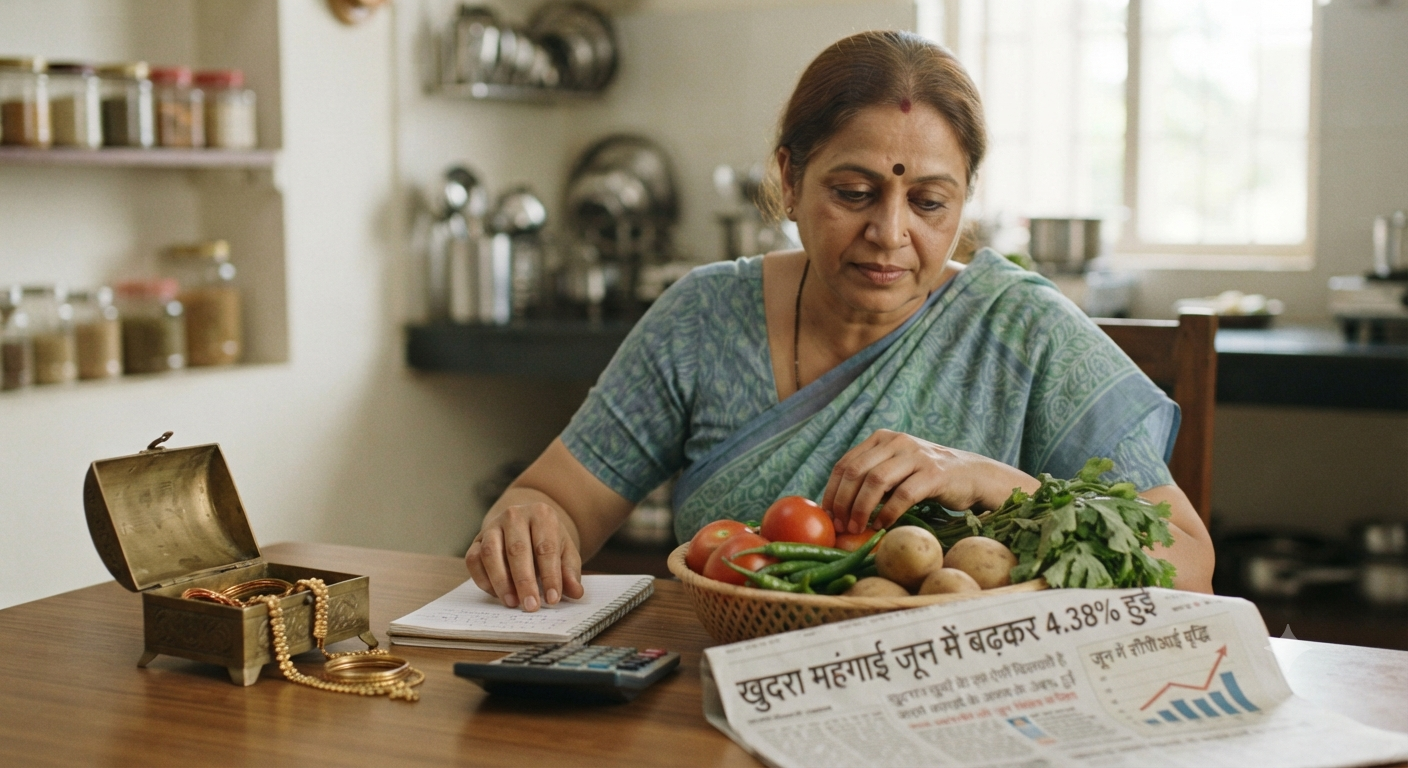
The Indian economy is navigating a complex inflationary environment as the latest consumer price index (CPI) data for June 2026 reveals a headline retail inflation rate of 4.38%. This uptick, driven primarily by localized volatility in food prices and shifting demand for precious metals like jewellery, has pushed inflation slightly above the Reserve Bank of India’s (RBI) comfort target. While the economy remains resilient, this rise underscores the ongoing struggle to maintain price stability in a global landscape marked by fluctuating commodity costs and supply chain constraints.
Understanding the Consumer Price Index (CPI)
The Consumer Price Index is the primary barometer for retail inflation in India, tracking the weighted average prices of a basket of consumer goods and services, including food, medical care, clothing, and recreation. When this index rises, it signifies a reduction in the purchasing power of the currency, effectively acting as a “hidden tax” on consumers.
The June figure of 4.38% serves as a critical indicator for policymakers. The RBI’s monetary policy framework is anchored by a target of 4%, with a tolerance band of +/- 2%. While the current rate remains within this broad tolerance band, breaching the 4% target consistently forces the central bank to maintain a cautious stance regarding interest rate adjustments and liquidity management.
The Role of Food Inflation: A Primary Driver
Food inflation continues to be the most significant contributor to CPI volatility in India. In June 2026, the cost of essential kitchen staples—including vegetables, pulses, and edible oils—saw a notable increase. Several factors contributed to this surge:
- Seasonal Supply Disruptions: Unexpected weather patterns in key agricultural belts during the preceding months impacted the harvest of perishable goods, leading to immediate supply-side pressures.
- Logistics and Storage: The rising costs of transportation and cold-chain storage continue to add a premium to the final retail price of food items, creating a wedge between farm-gate prices and consumer prices.
- Shifting Consumption Patterns: As household income levels rise, demand for high-protein foods and processed items has increased, creating localized shortages that drive up costs.
Food accounts for nearly 45% of the total CPI basket, making it the most sensitive component. Any significant movement in food prices creates an immediate and noticeable impact on household budgets across both urban and rural demographics.
The Jewellery Factor: Precious Metals in a Volatile Market
The mention of “jewellery” as a driver for the June CPI increase is particularly noteworthy. While food is a daily necessity, jewellery is often viewed as a discretionary expense. However, in the Indian context, gold and silver are deeply embedded in the cultural and economic fabric, serving both as ornaments and as a primary store of value or hedge against inflation.
- Global Price Trends: As global geopolitical tensions influence the price of precious metals, domestic retailers are forced to adjust their pricing. Increased bullion costs directly filter down to jewellery markups.
- Investment Demand: During periods of economic uncertainty or stock market volatility, investors often pivot toward physical assets like gold. This increased demand, coupled with seasonal wedding-related purchasing, has exerted upward pressure on jewellery prices throughout June.
- Structural Costs: Beyond the raw material cost of gold or silver, the retail price of jewellery includes labor, design, and tax components (such as GST), all of which contribute to the final retail inflation index.
The RBI’s Dilemma: Growth vs. Price Stability
The RBI faces a delicate balancing act. On one hand, the central bank aims to foster economic growth, which requires affordable credit and investment-friendly interest rates. On the other, it is mandated to prioritize price stability.
A 4.38% inflation rate suggests that the economy is running “hotter” than the central bank prefers. If this trend continues, the RBI may feel compelled to maintain elevated interest rates for a longer duration to dampen demand and anchor inflation expectations. This, however, poses a risk to the credit-sensitive sectors, including real estate and automobile manufacturing, which rely on low-interest borrowing to drive sales.
Long-term Outlook and Structural Reforms
Addressing inflation effectively requires more than just monetary policy adjustments; it demands structural reforms. The current inflationary pressure highlights the need for:
- Agricultural Supply Chain Modernization: Investing in decentralized storage, better irrigation, and direct-to-market agricultural policies can reduce food waste and stabilize prices.
- Diversification of Savings: Encouraging retail investors to move from physical assets like gold toward financial instruments—such as government bonds, mutual funds, or equities—can reduce the hyper-sensitivity of the CPI to jewellery and bullion market fluctuations.
- Enhanced Data Analytics: Using real-time data to identify supply chain bottlenecks early can help the government intervene with strategic reserves before price spikes become entrenched in the retail market.
Conclusion
The rise of retail inflation to 4.38% in June 2026 is a reminder of the inherent vulnerabilities within a growing, developing economy. While the headline number is not catastrophic, it serves as a warning that price stability is a fragile equilibrium. As the government and the RBI monitor these trends, the focus will likely remain on managing food supply logistics and encouraging a balanced investment environment. For the Indian consumer, the coming months will be defined by how effectively these macroeconomic policies can translate into stable prices at the local grocery store and the neighbourhood jewellery shop.








Leave a Reply