
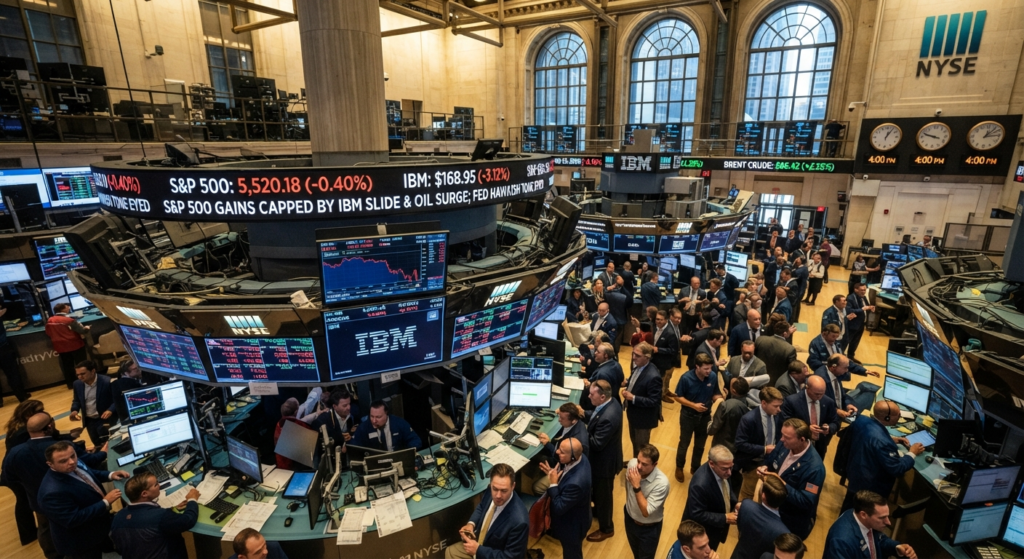
The financial markets experienced a turbulent start on Tuesday, July 14, 2026, as investors navigated a complex web of geopolitical tension, cooling inflation data, and disappointing corporate earnings. While the S&P 500 attempted to gain momentum following a softer-than-expected inflation report, its progress was significantly hampered by a sharp decline in International Business Machines (IBM) shares and a worrying surge in global oil prices.
The Inflation “Silver Lining”
The morning began with a glimmer of hope for investors. A Labor Department report indicated that the Consumer Price Index (CPI) rose 3.5% on an annual basis in June, falling short of the 3.8% increase economists had anticipated. On a monthly basis, the index actually declined by 0.4%, defying expectations of a 0.1% dip.
This softer inflation data briefly ignited optimism that the Federal Reserve might adopt a less hawkish stance in its upcoming policy meetings, leading to an initial rise in S&P 500 futures. However, this rally was short-lived as other market forces quickly took center stage.
The IBM Headwind
IBM became a major drag on the tech sector and the broader market on Tuesday. The company faced significant selling pressure after releasing a revenue miss, reporting sales of $17.2 billion—a meager 1% increase over the previous year.
The financial details were discouraging:
- Earnings Miss: Adjusted profit of $2.93 per share fell short of market expectations.
- Infrastructure Struggles: While software revenue managed a 5% growth, infrastructure sales dropped by 7%, casting doubt on the company’s hardware momentum.
- Market Sentiment: Investors were quick to punish the stock, reflecting ongoing concerns about the company’s ability to maintain growth in an era of rapid AI-driven disruption.
Geopolitical Turmoil Drives Oil Higher
While IBM weighed on the tech front, the energy sector was upended by a sudden escalation in the conflict between the United States and Iran. Brent crude climbed above $86 a barrel, its highest level in a month, following reports that Iranian cruise missiles had struck two United Arab Emirates (UAE) tankers in the Strait of Hormuz.
The geopolitical landscape deteriorated rapidly on July 14:
- Renewed Blockade: President Donald Trump announced the reinstatement of a US naval blockade on Iranian ports and coastal areas, effectively ending a recent month-long ceasefire.
- Supply Concerns: The Strait of Hormuz, a critical artery for global energy, has become the focal point of hostilities, renewing fears of supply disruptions.
- Market Impact: The price of Brent crude had already surged roughly 10% in the previous session—the largest single-day jump since May 2020—before continuing its upward trajectory on Tuesday.
Economic Implications
The combination of rising oil prices and corporate underperformance has created a challenging environment for the Federal Reserve. Although June inflation data showed a cooling trend, analysts are concerned that a sustained “bump” in crude oil prices could reverse this trajectory and keep inflation well above the Fed’s 2% target.
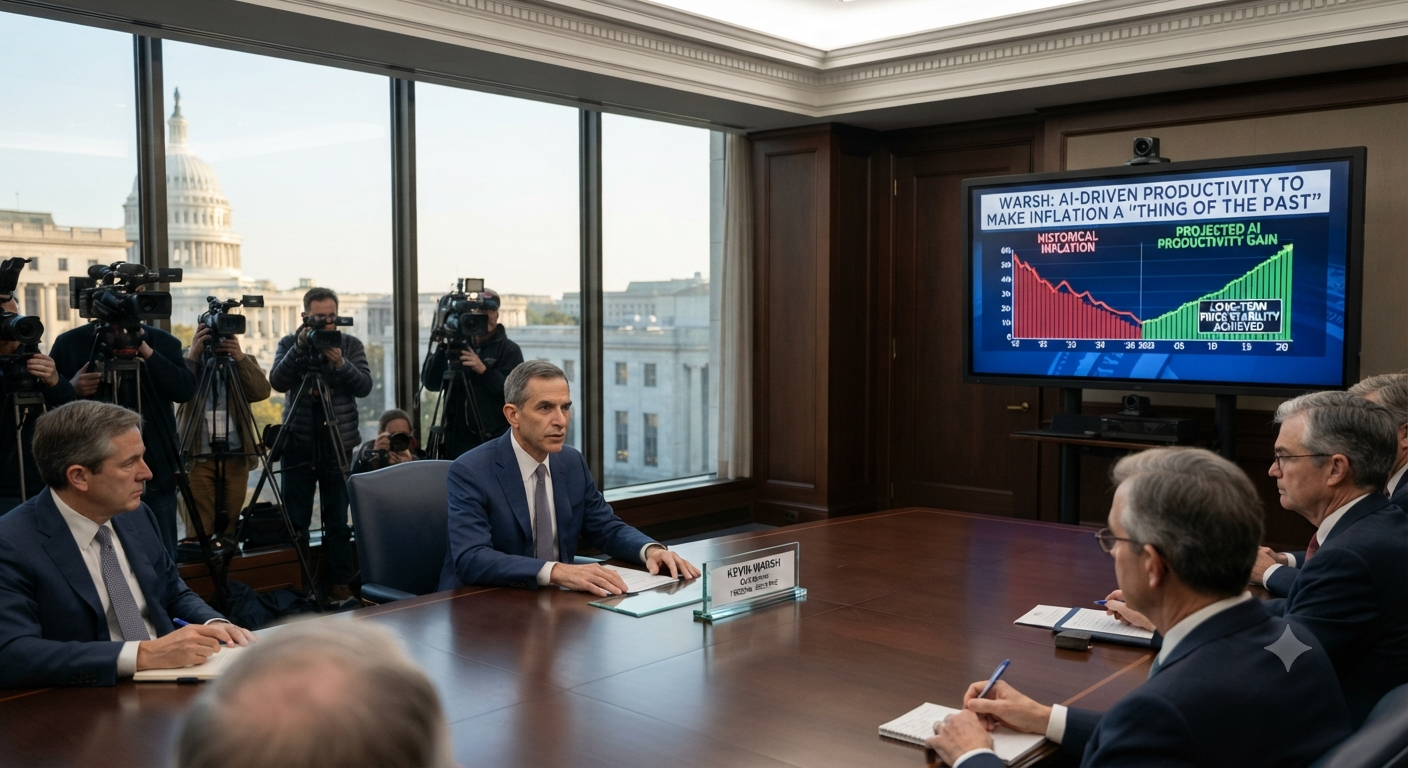
Swap markets currently reflect this uncertainty, with a 40% chance of an interest rate hike during the Federal Reserve’s meeting later this month. As the “event-filled” week continues—with testimony expected from Fed Chair Kevin Warsh—market participants remain cautious.
Conclusion
The S&P 500’s struggle to find firm footing on July 14 serves as a stark reminder of the fragile balance currently defining the 2026 market. While cooling inflation provides a potential path toward more accommodative monetary policy, the dual threats of a stagnant tech giant and a reignited regional conflict in the Persian Gulf continue to cap potential gains. For now, investors are keeping a close watch on both the Strait of Hormuz and the upcoming economic testimony, awaiting further clarity in an increasingly unpredictable landscape.






Leave a Reply