
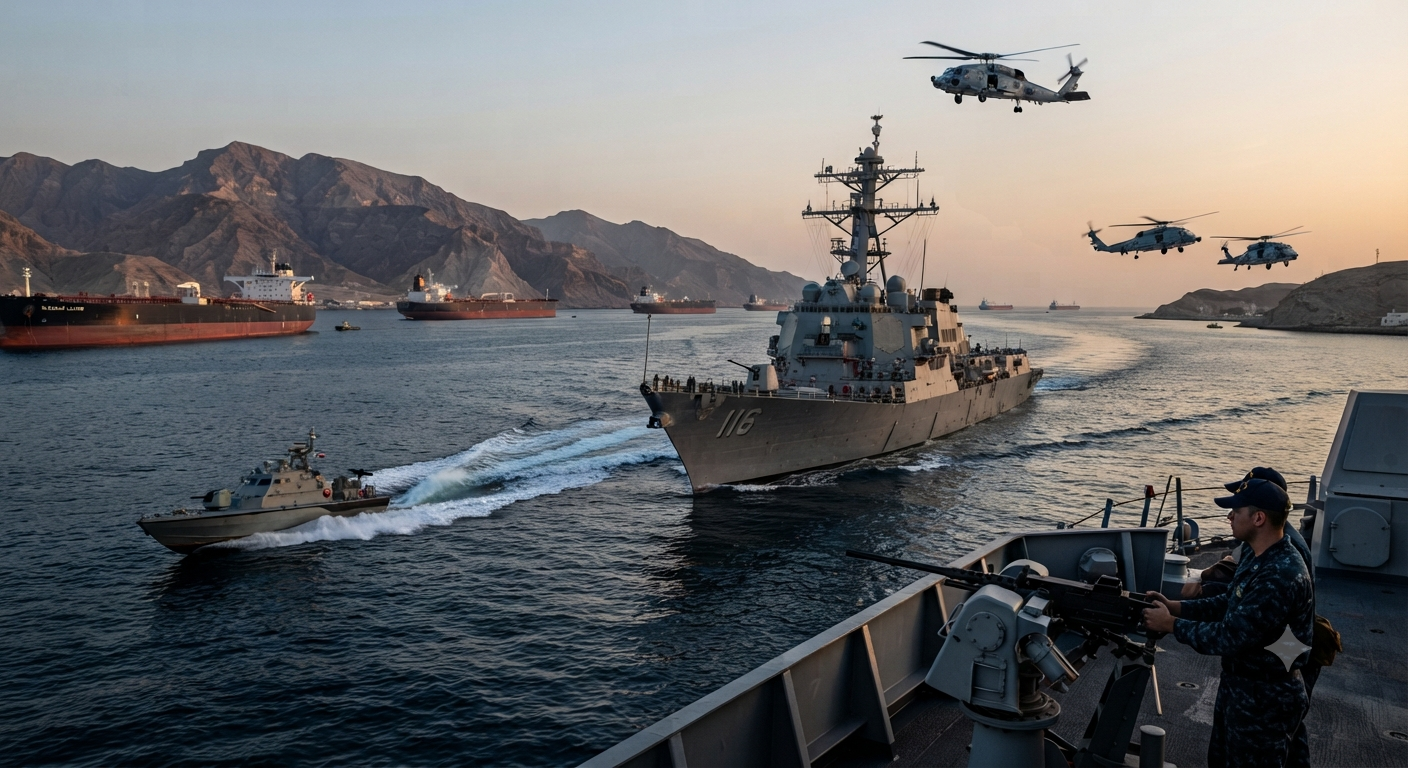
In a dramatic escalation of geopolitical tensions, the United States has revoked a temporary sanctions waiver that had permitted the export of Iranian crude oil, petrochemicals, and fertilizers. This decision, announced in early July 2026, has left approximately 63 million barrels of Iranian oil stranded on tankers at sea, creating a significant disruption in global energy markets.
The Catalyst: Renewed Hostilities in the Strait of Hormuz
The revocation of the waiver followed a series of attacks on commercial vessels in the Strait of Hormuz, a critical maritime chokepoint for global energy exports. According to reports, at least three tankers, including a Qatari LNG carrier, were struck within a short window, prompting immediate condemnation from Washington and regional mediators.
The U.S. government characterized these actions as “wholly unacceptable” and warned that such behavior would be met with consequences. In response, the U.S. Central Command (CENTCOM) launched a series of retaliatory strikes targeting Iranian military infrastructure, including coastal radar sites, air defense systems, and anti-ship missile capabilities. Iran subsequently claimed to have launched counter-attacks against U.S. military bases in Bahrain and Kuwait, signaling a collapse of the fragile ceasefire that had been in place since late May.
63 Million Barrels in Limbo
The revoked waiver, initially issued in late June as part of an interim memorandum of understanding (MOU) between Washington and Tehran, was originally intended to remain valid until August 21, 2026. Its premature cancellation has created a logistical and economic impasse for the 63 million barrels of crude oil currently on the water.
- Status of Cargo: Much of this oil is currently sitting on tankers in the Persian Gulf and Asian waters, with many vessels signaling that they have no clear destination or are currently available for orders, indicating that buyers are increasingly wary of the risks involved.
- The Grace Period: While the primary authorization for new sales was rescinded effective July 7, the U.S. Treasury provided a narrow grace period until July 17 for transactions that were already in process. Proceeds from these final authorized sales are required to be placed in “blocked, interest-bearing accounts”.
- Market Impact: Even before the waiver was revoked, Iran faced challenges in selling its crude due to a surplus of non-Iranian oil in the region, which eroded the competitive discount typically offered by Iranian sellers. With the sanctions now reinstated, this supply becomes significantly more difficult to offload, depriving the Iranian regime of a vital revenue stream.
Global Market Consequences
The sudden reversal of the sanctions waiver contributed to an immediate and sharp spike in global energy prices.
- Price Volatility: Brent crude futures jumped by nearly 8% in a single day, climbing above $80 per barrel, marking their steepest increase since the start of the ceasefire. West Texas Intermediate (WTI) also saw significant gains, rising above $75 per barrel.
- Economic Anxiety: The instability has reignited concerns about the global economy and household energy costs. In Europe, gas prices surged by 5% following the collapse of the ceasefire, adding pressure to consumers already facing high summer energy bills.
- Shipping Disruptions: Ship-tracking data indicates that at least four oil and gas tankers have turned back from attempting to transit the Strait of Hormuz, further hampering efforts to normalize energy flows that had seen some recovery during the preceding weeks of diplomatic engagement.
The Future of Diplomacy
The U.S. administration maintains that its memorandum of understanding with Iran is “entirely performance-based,” suggesting that future benefits for Tehran remain contingent on “good behavior”. However, the current cycle of tit-for-tat strikes has cast significant doubt on the viability of the ongoing negotiations.
While some market analysts suggest that the global oil market has proven more resilient to these disruptions than initially feared—noting that the net loss of supply was lower than the worst-case scenarios envisioned earlier in the year—the ongoing friction continues to threaten the security of the Strait of Hormuz. As of mid-July 2026, the prospect of a permanent deal to end the conflict appears increasingly distant, leaving the global energy sector to grapple with the reality of heightened instability and the potential for further, unpredictable price swings.








Leave a Reply